
What It’s Like to Be Autistic
While Autism presents differently for each individual across this vibrant and diverse spectrum, we’ve found that our Autistic clients most often share two common experiences:
A. They process the world differently than neurotypical individuals, and
B. They express themselves in distinct and often uniquely meaningful ways.
These points come with incredible strengths and very real challenges. You might have deep, focused interests that bring you joy and expertise. You might notice details others miss, think in patterns, and value honesty and authenticity above all else. However, living in a world built for neurotypical brains can be exhausting and confusing.

Some of the experiences Autistic people commonly face may include:
Intensity and Autism go hand and hand, so when you like something you like it deeply. Info dumping is your love language; you bond by sharing your authentic inner world and introducing yourself to someone else’s. Learning about and relating to things is fun and sparks joy!
You tend to trust people, taking things at face value. It takes effort to figure out what you mean and get the words out, so you don’t expect to have to read between the lines when others talk to you. Simultaneously tasked with the job of noticing body language, registering who’s turn it is to speak, and keeping social hierarchies in mind is exhausting cognitive work for Autistic brains.
Sometimes you feel a step behind your peers when you experience emotions intensely but struggle to identify or name what you’re feeling (alexithymia). Expressing these vulnerable and important feelings to others can be even harder, especially when feeling inadequate. Adding shame to this already neurologically difficult task can make criticism, perceived rejection, or straight up being told ‘no’ feel like being whacked by a freight train. Many Autistic people experience rejection sensitivity dysphoria (RSD); an overwhelming response to a sense of social failure. This sensitivity often stems from years of being misunderstood, corrected, and excluded, which creates a heightened awareness of social missteps and a deep fear of disappointing others.
Even simple, everyday requests can feel overwhelming not because you’re being difficult, but because demands can trigger an intense anxiety response. Your nervous system reacts to expectations as threats to your autonomy. This drags you away from other focuses, making it difficult to do things even when you want to do them.
Whether it’s the words someone says or the sound your refrigerator makes, you tend to interpret things differently than the average person. Your body might be really good at inputting sounds, lights, textures, smells – the challenge comes when you brain needs to filter between the useful sensations and the unhelpful ones. Some of these intense experiences are soothing where others will make you want to pull your hair out. The latter makes situations you would otherwise enjoy difficult, which can be such an alienating experience.
Being Autistic means needing to put more effort into tasks neurotypicals find natural. Add sensory overload to a day already packed with simple demands, a tense conversation with someone you care about, or just the weight of unspoken expectations – exhaustion sets in fast. When that exhaustion is joined with shame, anger, or anxiety we might find ourselves in full-on meltdowns, and experiencing those chronically leads to what we call burnout. Many Autistic people spend years masking (hiding their Autistic traits to fit in and survive) which comes at a tremendous cost to mental health and sense of self.

How Autism Therapy Can Help
Neuro-affirming therapy isn’t about fixing you. It’s about understanding yourself, developing strategies that work with your brain rather than against it, and building a life where you can be authentically you (and survive in capitalism). You are an intense person, so let’s be intentional about the way you view yourself and the world around you.
Our approach to Autism therapy has two prongs: building a structure for or expanding on the way you view your brain, and learning how to harness that awareness to accomplish your goals in relationships and society. This means accepting and probably learning to love the bits that make you stand out, along with realistic expectations that are rooted in your own goals. We want to help people engage more comfortably in a neurotypical world while feeling authentic as a neurodivergent person.
What You Can Expect from Autism Counselling
The Freedom to Unmask
You might have spent years associating your, for example, natural sentence structure or lack of eye contact with shame and find it healing albeit challenging to sit in a therapeutic relationship that welcomes these unique features. Or perhaps you are a pro at self acceptance and simply want to have a conversation with a professional where you aren’t being asked “are you okay?” every time your hand frantically flaps. Regardless, our therapists understand and expect your quirks – we want to help you see how useful they are and trust that your body wouldn’t be doing them if it didn’t have a reason!
Help Managing Meltdowns/Shutdowns, and Burnout
Processing the world intensely can also mean responding to it intensely. Whether or not anxiety and depression are loud tantrums that leave you with clumps of hair in your hands or numbing silences that cause the hours to slip away from you, these reactions are exhausting. When we deal with these on a regular basis, it is only a matter of time before we get burnt out. It’s so important to be kind to yourself in these states as they tend to coincide with heightened sensitivities. Our therapists aim to create a conversational space where it is difficult for you to be mean to yourself so that you can process your experiences without all that judgement and self-criticism in the room.
A Guide to Help You Navigate Relationships and Executive Functioning
Life can feel like you are surrounded by people on step two when you are still wondering where the instruction manual is. We understand the need for direction and want to be clear with you about developing goals in session. Therapy offers space to process the impact of being misunderstood – we want to challenge internalized ableism and help you identify what relationships are healthy or worth discarding. We work together on practical strategies for planning, organization, emotional awareness, and communication so you can navigate big goals and daily life in ways where progress is trackable.
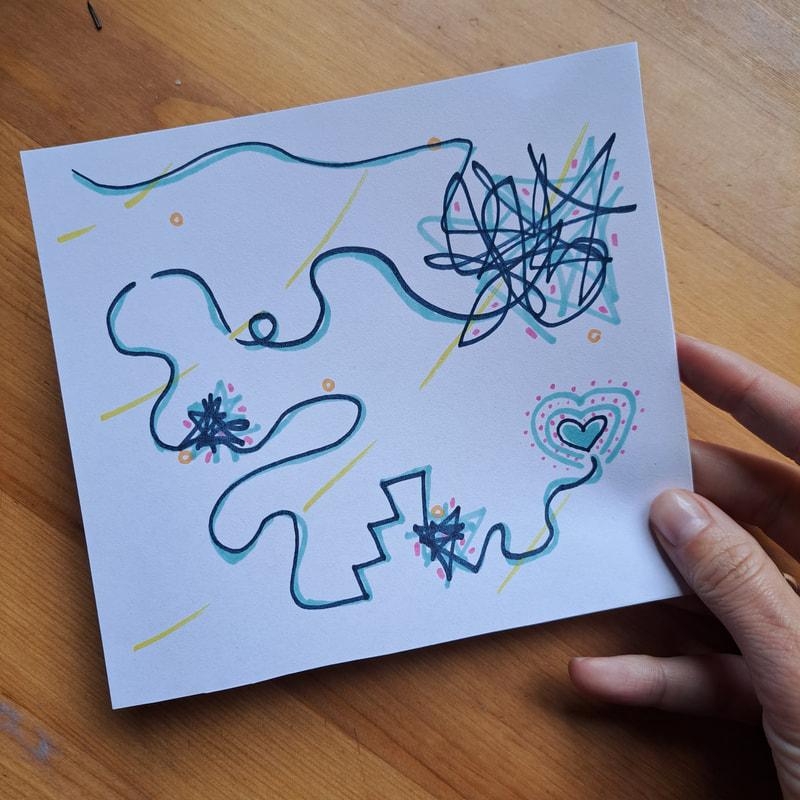
When Words Feel Impossible: Art Therapy for Autistic People
Sometimes talking is hard. Or impossible. Or just not the right medium for what you’re feeling.
That’s why we offer art therapy as an alternative or complement to traditional talk therapy. Art therapy provides a non-verbal way to express complex emotions, process experiences, and explore your inner world without the pressure of finding the “right words.” Art therapy isn’t about making something “good”, it’s about the process of creating and what emerges through that journey.
Whether you’re non-speaking, experience frequent shutdowns and meltdowns, or simply find verbal communication exhausting, art therapy creates space for expression without the demand of words. Please let us know when reaching out if you were be interested in a counsellor who provides Art Therapy.
Ready to Get Started?
You deserve to work with therapists who understand you, not just intellectually, but experientially. Our counsellors are neurodivergent, queer-welcoming, and trauma-informed. We’ve been where you are. We get it.
Whether you’re newly diagnosed, late-diagnosed, self-identified, or supporting an Autistic teen, we’re here to walk alongside you.
At Sunward Journeys, we don’t pathologize neurodivergence. We celebrate it. And we’re here to help you build a life where you can do the same.
What’s the next step?
We’re excited and honoured to talk with you and hear your story. Please see more information on the rates and policies page.
Book now if you’re ready.

Questions about AFU funding or how we can support you?
Contact us below for any questions, or to book a free 15-minute consultation to discuss what therapy might look like between us. We’re available to meet in person in downtown Vancouver, or through online tele-therapy: