
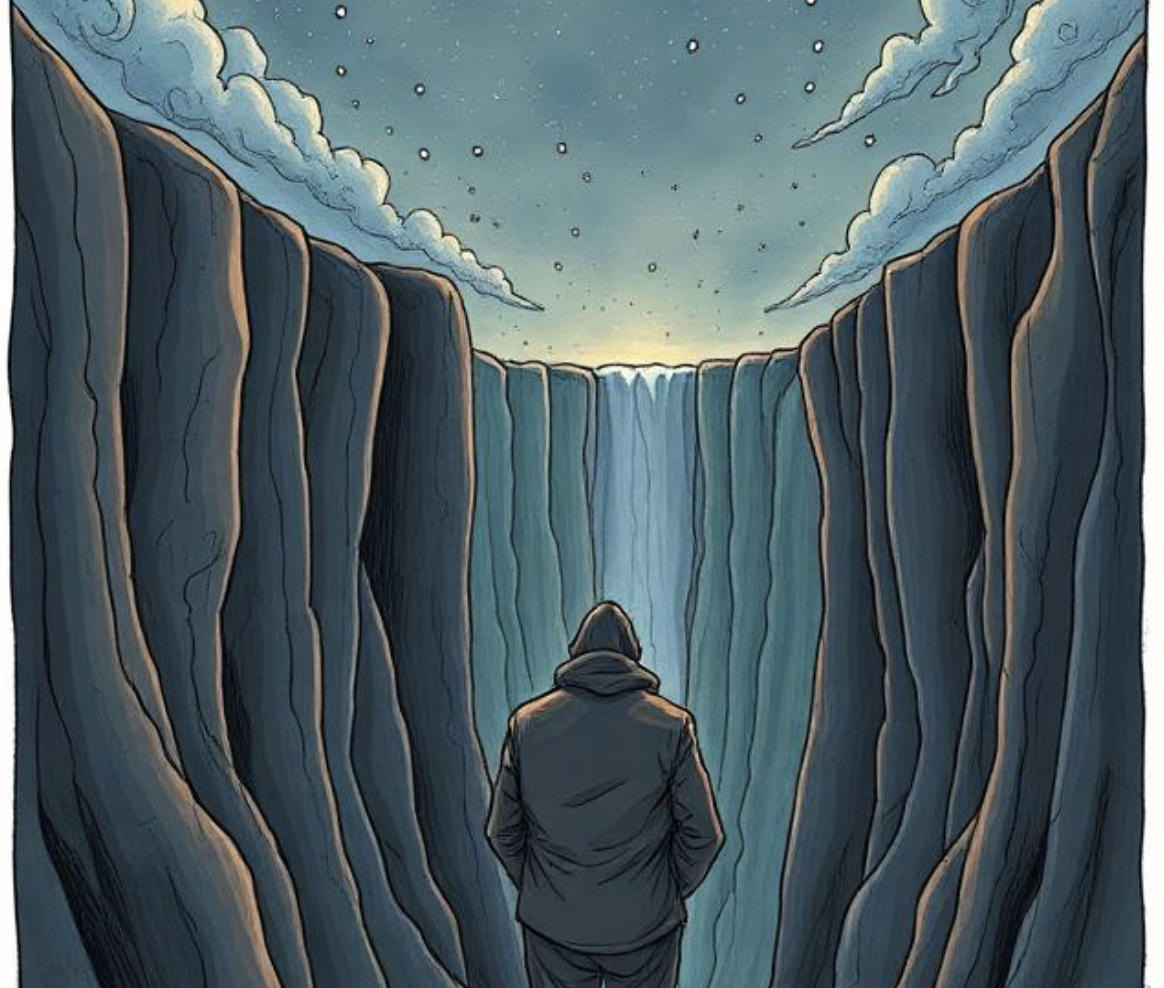

Rejection Sensitivity Dysphoria (RSD) is a form of emotional dysregulation rooted in survival. While anyone can have an emotional response to rejection, Rejection Sensitivity Dysphoria is most commonly seen in neurodivergent individuals, most specifically those of us with ADHD. And for many, the experience of Rejection Sensitivity Dysphoria is not “just” emotional intensity. It is a somatic, full-body response. A flash flood. A sudden collapse. A deep, disorienting, full-body ache.
Rejection Sensitivity Dysphoria is very real and has the capacity to be incredibly painful.
Not limited to social experiences, Rejection Sensitivity Dysphoria might be activated in relationships, workplaces, friendships, academic environments, family dynamics — anywhere a person feels misunderstood, criticized, excluded, or unappreciated. It’s often immediate, hitting hard, fast, and usually without warning.
What is Rejection Sensitivity Dysphoria?
So what exactly IS Rejection Sensitivity Dysphoria? As a therapist and neurodivergent individual, I’ve come to understand RSD as a natural response to an environment that repeatedly misreads, misunderstands, or punishes neurodivergent expression. It’s a survival response in a world where humans are wired for connection.
As humans, we are programmed to fear social rejection. This programming is primal. The experience of social belonging signals safety and survival. For neurodivergent people who often, in a world built for neurotypical people, experience chronic misunderstanding, social exclusion, bullying, or invalidation, that survival instinct is magnified. The dial is turned to maximum. This survival response is begging us, at all costs, to avoid the possibility of another moment of being misunderstood. Of risking the loss of connection again. Of being abandoned by someone we love deeply. RSD feels sharp because it IS sharp.
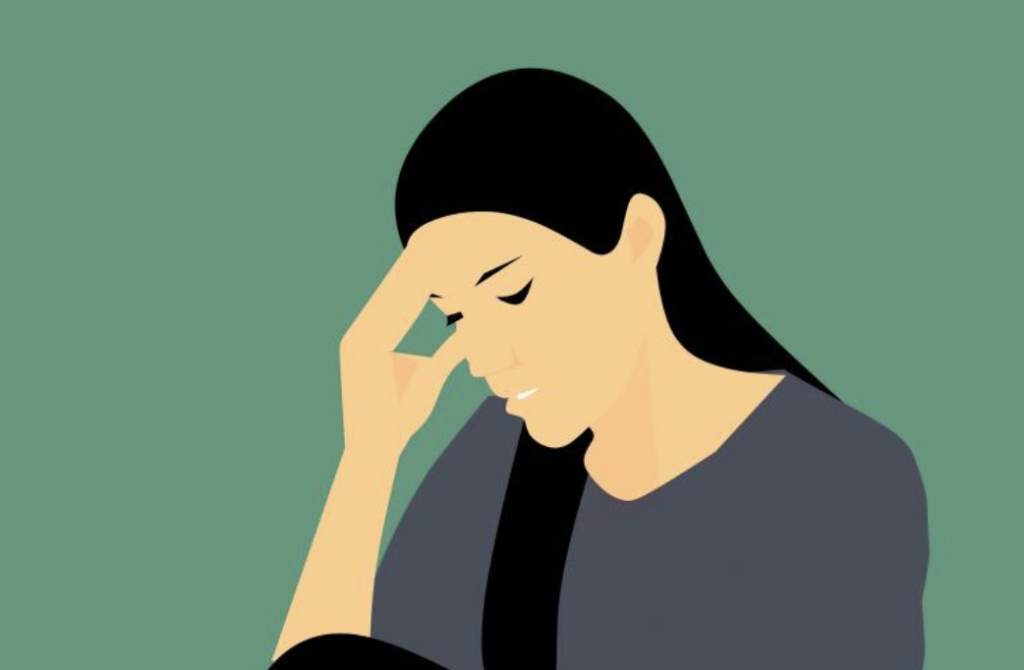
Its onset feels immediate because its onset IS often immediate. It feels wildly overwhelming because it IS wildly overwhelming. And, plot twist, it wants to protect us.
How RSD shows up
RSD is multifaceted. I’ve heard my clients describe it as fear of abandonment, fear of being “too much,” fear of disappointing people they care about. I’ve learned that it can look like hypervigilance in relationships, harsh self-criticism, intense emotional dysregulation, or shutting down the moment vulnerability feels unsafe. It’s a behavior that can profoundly impact relationships, being judged or viewed as a character flaw when in reality it’s an adaptive survival response that is, in part, one of the consequences of navigating a neurotypical world as a neurodivergent individual.
Neurodivergent people often grow up in environments that do not acknowledge or accommodate their needs. Many neurodivergent individuals might experience sensory overwhelm, overstimulation, social exclusion, and being labeled as difficult, dramatic, or too sensitive. They might experience chronic invalidation. Over time, these experiences become stored in the body, and the nervous system alerts us to experience the present moment through the lens of past wounds. Rejection Sensitivity Dysphoria isn’t irrational; it’s familiar.
The Body’s Response
For neurodivergent individuals who already live with sensory triggers, Rejection Sensitivity Dysphoria is more than just physical pain. It might manifest via difficulty speaking and forming words, a sudden increase in body temperature, shaking, nausea, feeling like you have a pit in your stomach, or even dissociation.
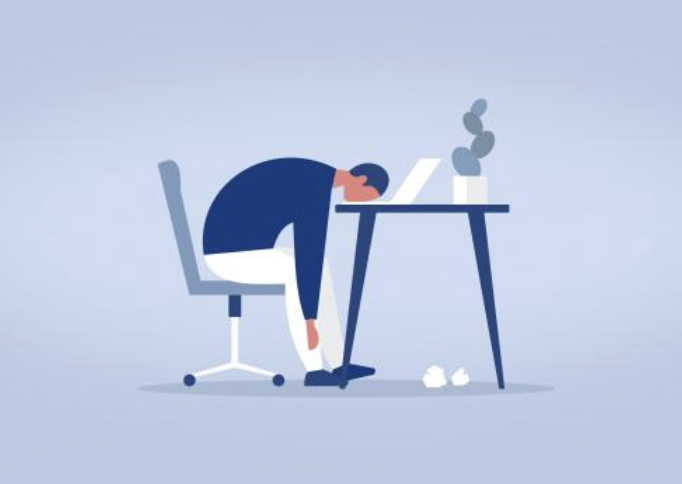
These physical symptoms are not just uncomfortable; they are a juxtaposition in a capitalist culture that conditions us to avoid discomfort at all costs. Our current socio climate saturates us daily with messages of conformity – telling us not to feel it, slow down, or sit with the discomfort of anything messy or painful. Anything human. Oftentimes, this leads neurodivergent people to develop coping strategies such as people pleasing, perfectionism, over-explaining or apologizing, social withdrawal, numbing with alcohol, food, screens, or cannabis. These coping strategies can become hard to let go of long after they have become outdated, especially if impulsivity or emotional intensity is an aspect of your neurodivergence.
In what ways would life be different if we learned to embrace the discomfort of RSD and let it liberate us? What if RSD is an opportunity for healing, an invitation to return to self? What if it’s there to remind us that we have survived, and we will continue to survive, in a world that wasn’t designed for our complexity?
References
Dodson, W. W., Modestino, E. J., Ceritoğlu, H. T., & Zayed, B. (2024). Rejection sensitivity dysphoria in attention-deficit/hyperactivity disorder: A case series. Neurology, 7, 23-30.
Illustrations from stockvault.
