
The Emotional Violence That We Must Continue To Name
Medical discrimination has been coming up more and more in my work with neurodivergent adults. And while discrimination in healthcare towards people who are perceived as women, neurodivergent folks, queer identifying individuals, is nothing new, it adds a completely new layer of complexity to the already intricate journey of unmasking. A new layer of understanding oneself, one’s own experiences, and one’s challenges through a neurodivergent lens.
While my practice as a neurodivergent therapist IS integrative, much of the work I do with
neurodivergent clients is informed through a feminist and queer-affirming lens. And from that perspective, one truth is becoming increasingly clear: Medical discrimination is a form of emotional violence. And this emotional violence impacts our bodies, our nervous systems, our identities, and our ability to trust our own inner knowing.
Autism and ADHD often present differently depending on gender identity, gender socialization, and the expectations placed on us growing up. Many people who were raised or perceived as girls learn early to shrink themselves: be polite, be accommodating, keep the peace, don’t inconvenience anyone with your needs. So we mask. We over-perform. We adapt. We try to make sense of our own intensity, sensitivity, and complexity while pretending everything is fine on the outside.

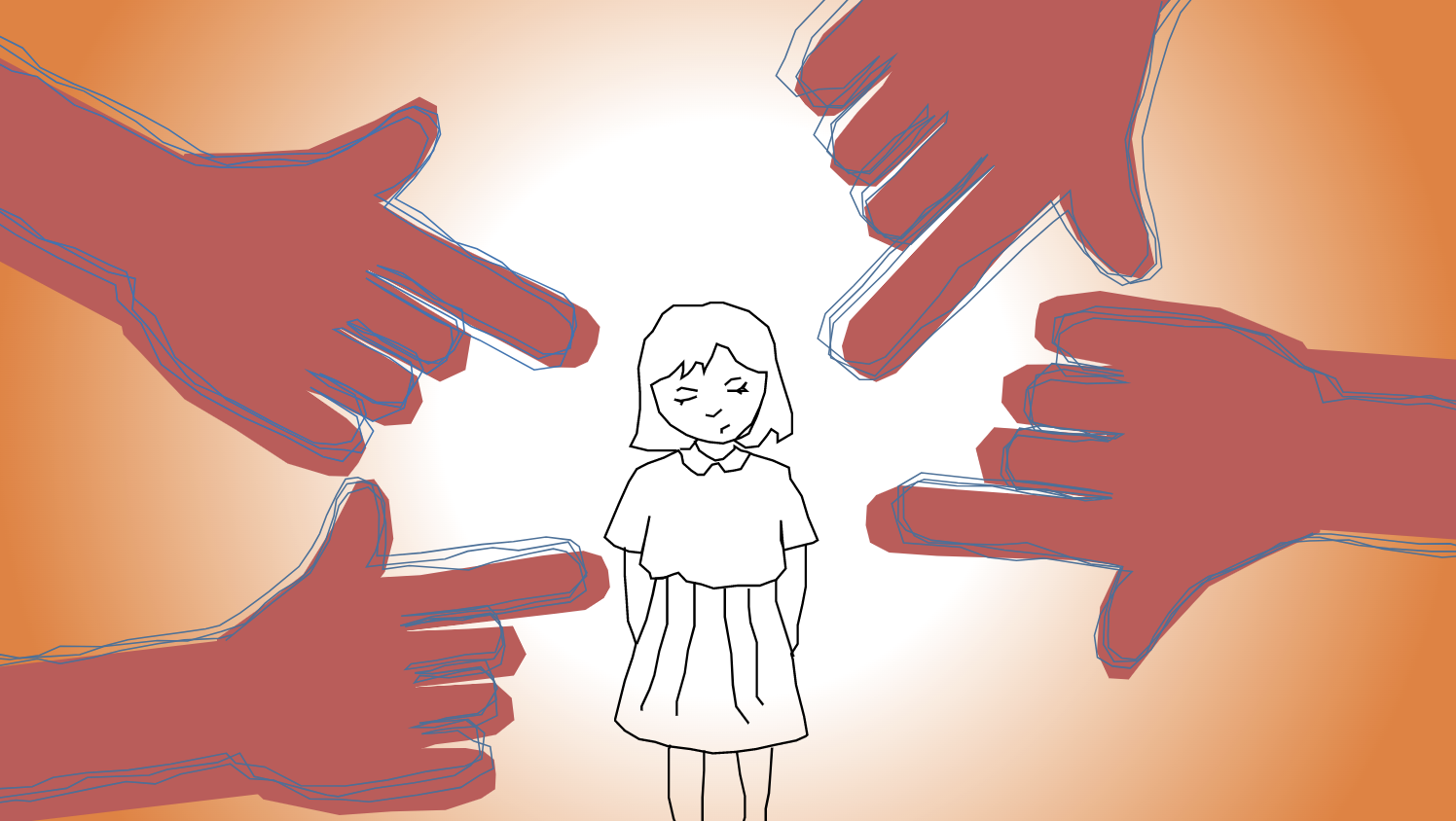
I was fortunate to receive my first ADHD diagnosis at age twelve. Many neurodivergent people — especially those who were never seen through a neurodivergent lens because of their gender presentation — spend decades carrying a quiet internal “something isn’t quite right” feeling. And when they finally gather the courage to ask a doctor for help, they are so often dismissed, minimized, or told their experience isn’t real.
This is patronizing. It’s discriminatory. It’s emotional violence.
This happened to me recently when I asked my GP about perimenopause symptoms. His immediate response was to suggest that I might have an undiagnosed mood disorder. No curiosity. No questions. No attunement. Just a swift, condescending reframing of my experience. In that moment, I felt like I was hitting a brick wall. Not just mentally, but somatically. And frankly, it was insulting.
As a neurodivergent woman, I feel things deeply. When my lived experience is dismissed, I don’t simply hear the words; I feel the impact in my body. My chest tightens. My neck locks. My stomach turns. My body responds to these experiences before they even have the chance to land in my mind. The psychological consequence of chronic invalidation is erosion of self-trust. This is emotional violence.
If you’ve experienced medical discrimination as a neurodivergent person — whether you’re a woman, non-binary, gender-expansive, trans, or simply someone who has been socialized under gendered expectations — please know this:
You are not imagining it.
You are not alone.
And you are not “difficult” for wanting answers.
There are safe, validating spaces where your story, your own lived experience, will not be minimized. You are entitled to care that actually makes an effort to understand your experience. To see you clearly – not through the lens of gender stereotypes, neurotypical norms, or medical discrimination – but as the full, complex human that you are.