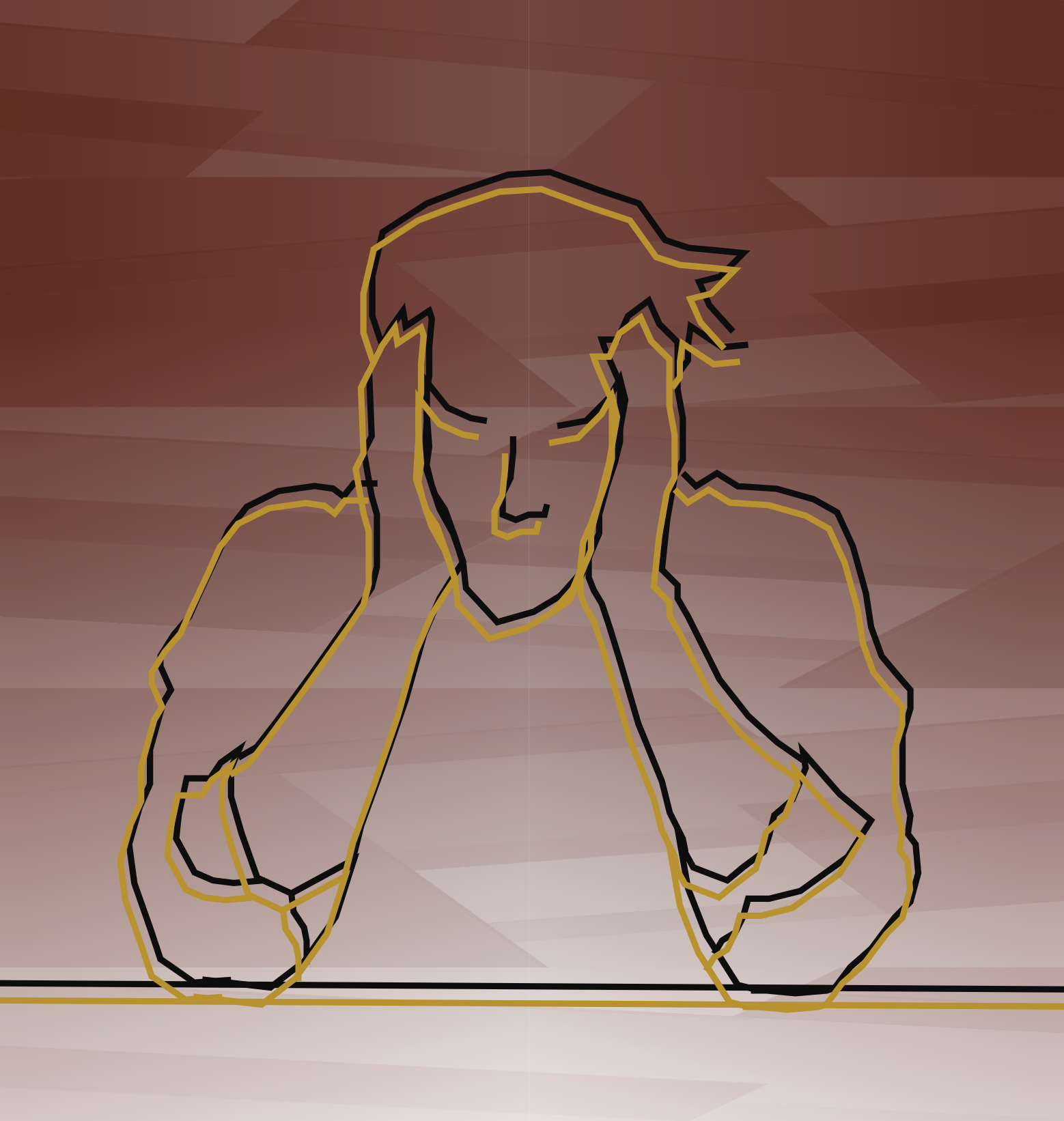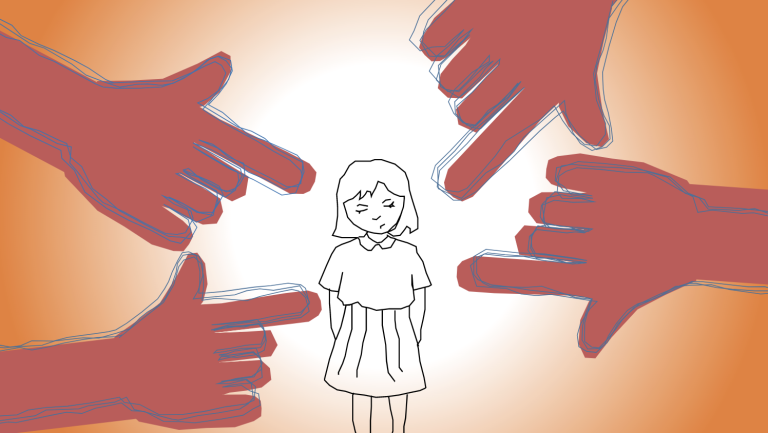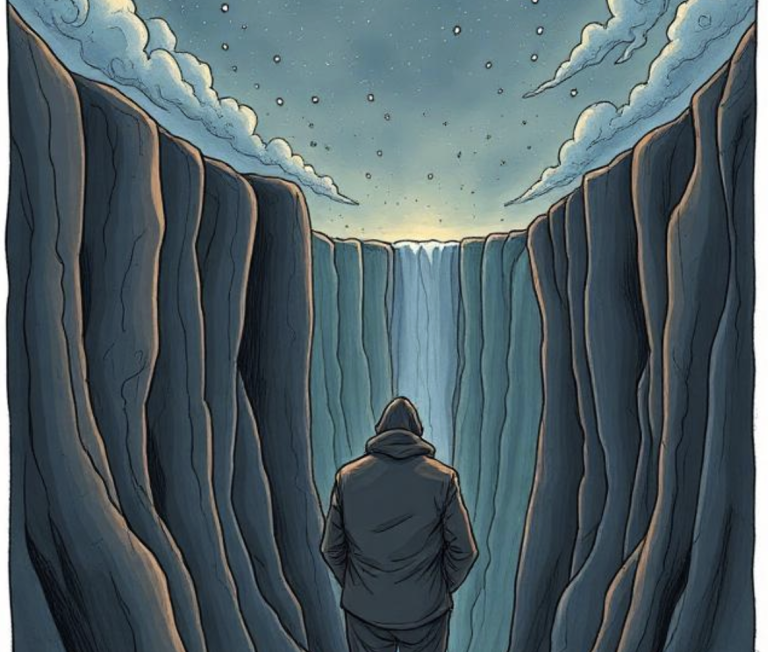
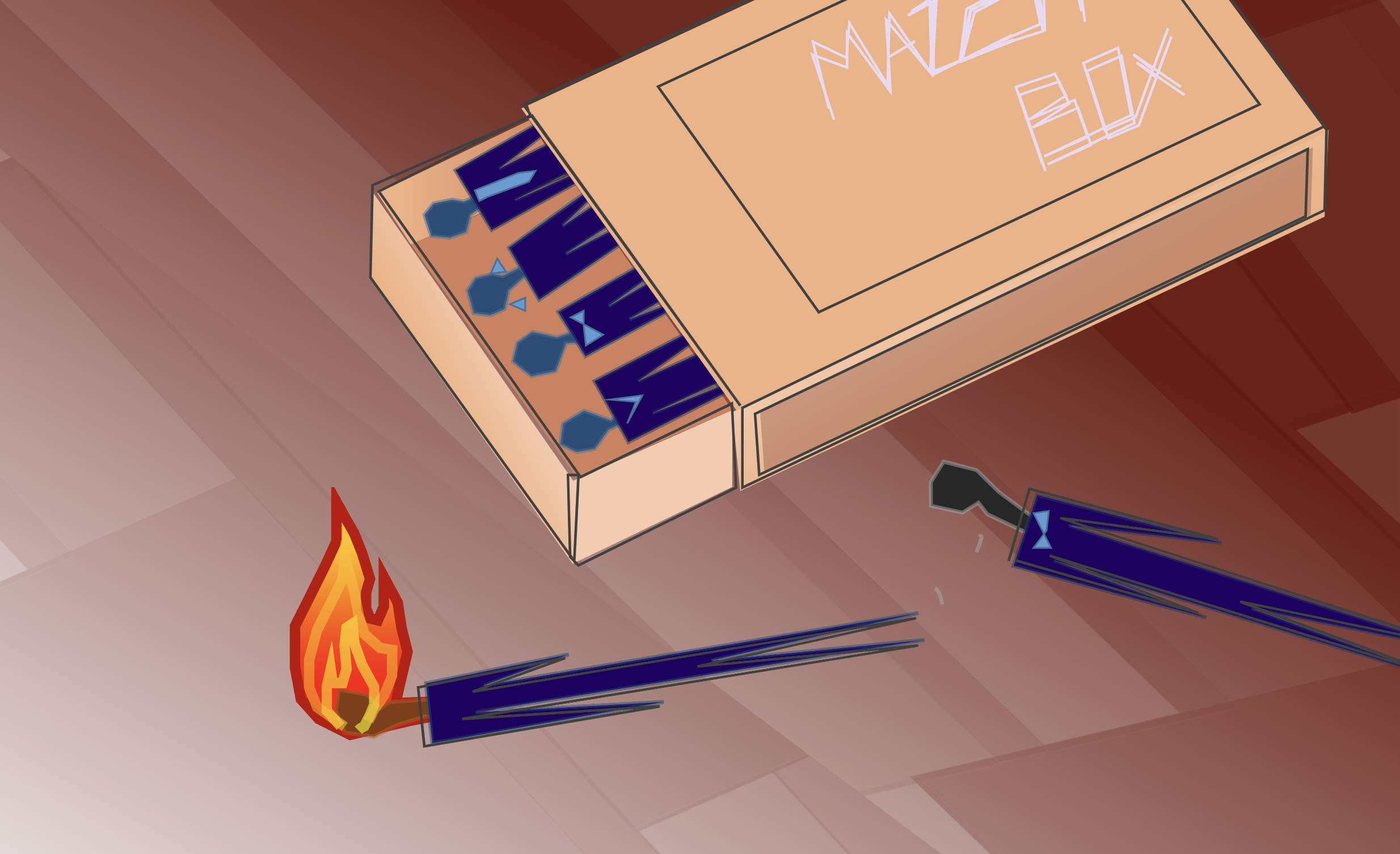

We’ve all heard the saying, “Fake it ’til you make it.” For many neurodivergent people, though, it isn’t motivational advice—it’s something they’ve been doing just to get through the day.
If you grew up with undiagnosed ADHD, autism, or AuDHD, chances are you learned early on
that the world didn’t quite seem to work the way your brain did. You noticed that certain
sounds overwhelmed you, social situations felt like puzzles, or everyday tasks took far more
effort than they seemed to for everyone else.
So, you adapted.
Maybe you forced yourself to make eye contact even though it felt uncomfortable. Maybe you
rehearsed conversations in your head before ordering coffee or making a phone call. Maybe you stayed perfectly still in meetings, hid your fidgeting, laughed when everyone else laughed, or copied the energy of the people around you. This is called masking. And for many people, masking works—at least for a while. It helps you fit in, avoid criticism, and meet other people’s expectations. But it also comes at a cost that most people never see.
Eventually, all that effort will catch up to you.
What does Neurodivergent Burnout Feel Like?
This isn’t the kind of exhaustion that disappears after a weekend off or an extra night’s sleep.
Neurodivergent burnout is a deep mental, emotional, and physical exhaustion that happens
after spending months—or even years—using more energy than your brain has available.
Constantly masking, pushing through overwhelm, and trying to function in environments that
don’t suit you can slowly drain your capacity until there’s simply nothing left.
When that happens, everyday life can suddenly become incredibly difficult.
You might struggle to cook a simple meal or reply to a text message. Noisy places become
unbearable. Bright lights feel brighter, clothing feels irritating, and your tolerance for sensory
input seems to disappear overnight. Tasks that once felt manageable now feel impossible because your executive functioning has taken a huge hit. Planning, prioritizing, getting started, or switching between tasks suddenly feels like trying to move through wet concrete.
For many late-diagnosed adults, there’s also something even harder to describe: looking in the mirror and wondering, “Who am I when I’m not performing for everyone else?”
Why Does it Often Show Up Later in Life?
Many adults receive a diagnosis in their 20s, 30s, or 40s after reaching a point where they feel like they’re falling apart. It’s easy to think, “I used to cope so much better.” But the reality is that you probably weren’t coping without a cost—you simply had fewer
demands. As children or young adults, there may have been more support, fewer responsibilities, and more opportunities to recover. As life becomes more complex, you’re expected to juggle work, relationships, finances, household tasks, appointments, and countless daily decisions while still keeping the mask firmly in place.
Eventually, something has to give.
For many people, burnout becomes the moment that finally leads them to seek an assessment or start asking questions about why life has always felt harder than it seemed for everyone else. In many ways, burnout isn’t your brain failing. It’s your brain saying, “I can’t keep doing this anymore.”
Recovering Means More Than Just Resting
If you’re living through neurodivergent burnout right now, it’s important to remember this:
You aren’t lazy.
You aren’t broken.
You haven’t failed.
(hey Jay: can we make this^^^ part a box like we did with the definition of RSD in Ashleigh’s blog post? maybe, like, treat it like an image and put it near by the the rest of this section’s text below?)
Your brain is telling you it has been working overtime for far too long. Recovery isn’t about becoming more productive or finding a better planner. It’s about giving yourself permission to stop fighting your own brain. That might mean embracing real, guilt-free rest instead of feeling like you always have to be productive. It might mean finding people and places where you can drop the mask, stim freely, take breaks when you need them, and stop performing just to make others comfortable.
It also means looking back at your life with new understanding. So many moments that once felt like personal failures begin to make sense when viewed through a neurodiversity-affirming lens. Instead of asking, “What’s wrong with me?” you can begin asking, “What was I trying to
survive?” That shift can be incredibly healing.
A diagnosis doesn’t change who you’ve always been—it simply gives you the language to
understand yourself with more honesty and compassion. And that understanding can be the beginning of building a life that doesn’t just look successful from the outside, but actually feels safe, sustainable, and authentic on the inside.