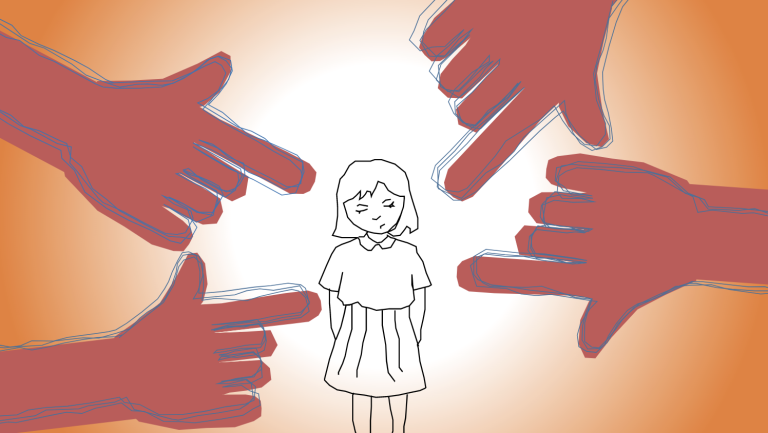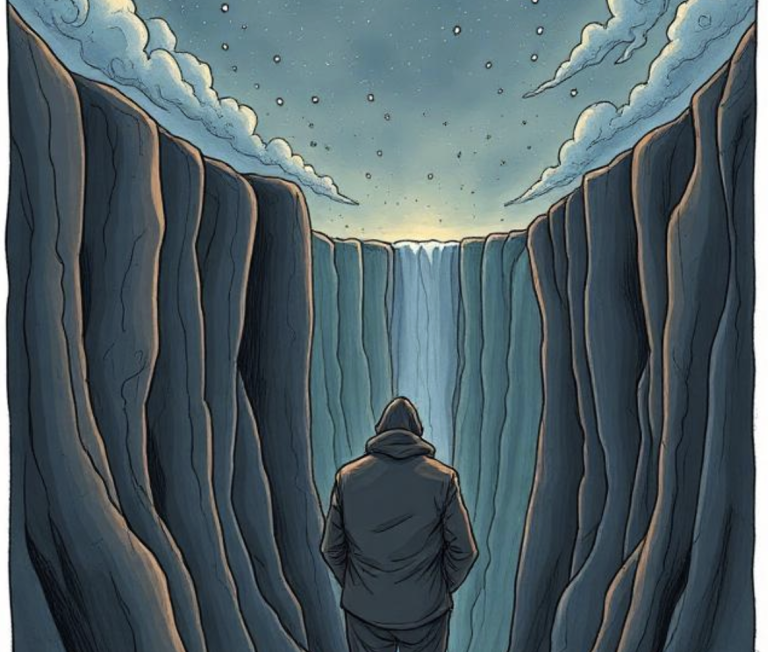

For many Black people, the experience of isolation begins long before they enter the counselling room: it develops through repeated encounters with environments where they rarely see themselves reflected in positions of leadership, expertise, beauty, role model or care. Whether in healthcare, education, media or professional spaces, the absence of Black representation can quietly communicate that power and belonging are reserved for someone else. Cultural invisibility extends beyond representation alone; it is the cumulative experience of having one’s identity overlooked, misunderstood, or reduced to stereotypes rather than recognized as fully human. Jude M Cénat and his colleagues [ref 1] state that over time, these experiences can shape how Black individuals understand themselves – whether or not they feel entitled to seek support, they believe their distress will be taken seriously. Many become accustomed to navigating predominantly White systems while carrying the emotional labour of code-switching, self-monitoring, anticipating bias, microaggressions and violence. Isolation, therefore, is not simply loneliness; it is the chronic experience of existing in spaces where belonging must continually be earned rather than assumed [ref 1].
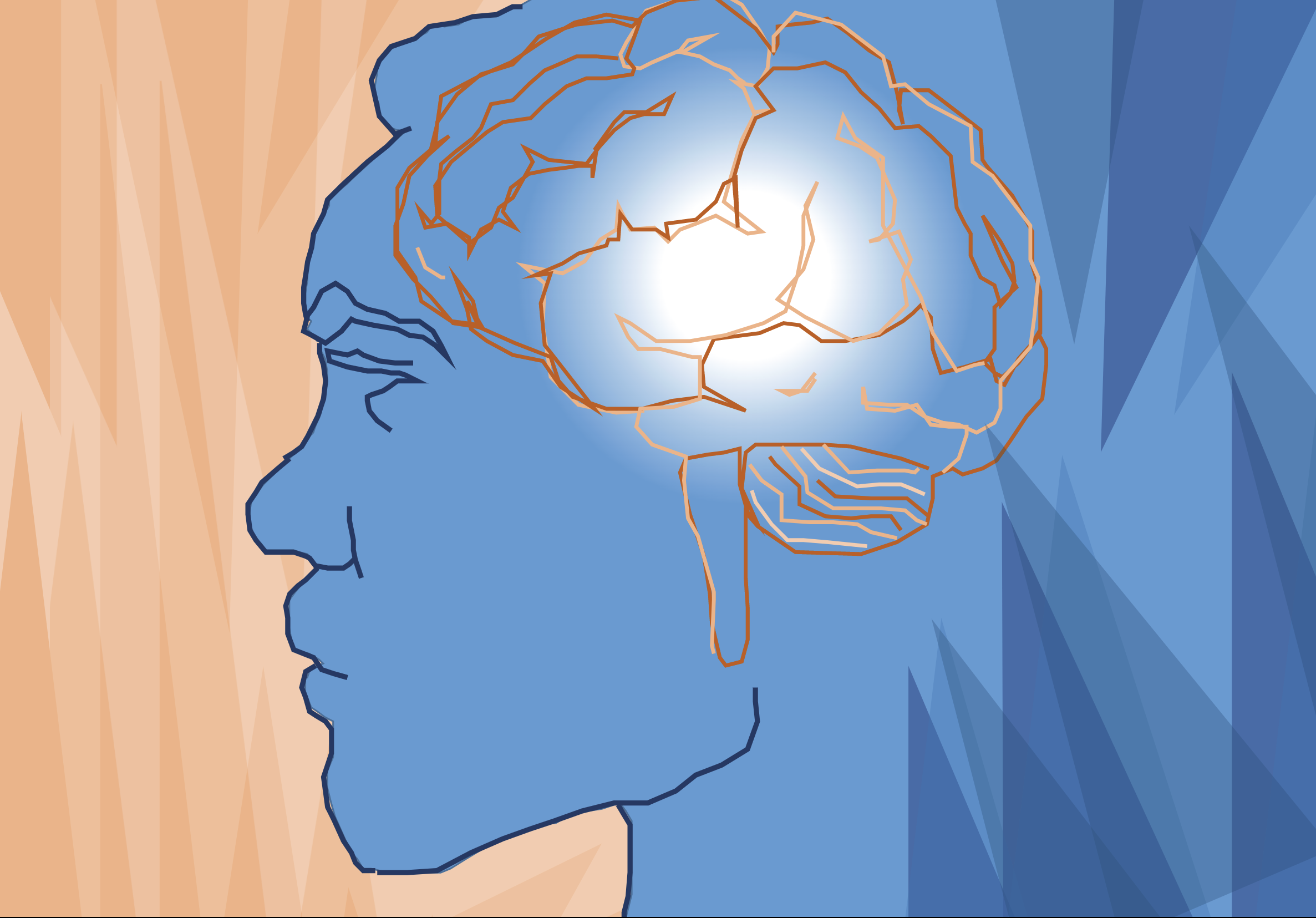
Many neurodivergent folks describe a similar sense of living outside society’s expectations. ADHD often requires individuals to navigate environments designed around neurotypical standards of productivity, communication, emotional regulation and executive functioning. Research [ref 2] notes that many spend years masking their differences in order to appear competent, organized or socially acceptable; which comes at a great psychological cost. When Blackness and ADHD intersect, however, these experiences do not merely add together; they interact in ways that can intensify one another. A Black client with ADHD may simultaneously navigate racial stereotypes while attempting to hide neurodivergent traits that could be interpreted as laziness, irresponsibility, aggression or lack of intelligence. The burden becomes existential because the individual is often left wondering not only, “Why do I feel different?” but also, “Which part of me is being rejected?” This constant negotiation between racial identity and neurodivergent identity can produce profound exhaustion, shame, hypervigilance and social isolation that neither framework fully explains on its own. Intersectionality reminds counsellors that clients do not experience race and disability in separate compartments; they experience them simultaneously, within systems that distribute credibility, compassion, care and belonging.
Diagnosis is one of the first places where systemic inequities become visible. Although ADHD is a neurodevelopmental condition that affects people across all racial and cultural groups, access to recognition, assessment and diagnosis is not equally distributed [ref 3]. A large 2024 U.S. study [ref 4] that analyzed health records from more than 849,000 individuals diagnosed with ADHD found that White patients were approximately 26% more likely to receive an ADHD diagnosis than Black patients, with adult diagnoses occurring disproportionately among White individuals. The study also found that Black women were the least likely group to be diagnosis. On the other hand, Canada has very limited race-based ADHD data and this absence of data is itself a form of cultural invisibility because it makes inequities more difficult to recognize, measure and address. At the same time, Statistics Canada has reported persistent racial inequities in access to primary health care, with Black adults being less likely than White adults to have a regular health-care provider. Since an ADHD assessment frequently begins with a primary-care referral, unequal access to health services can delay or prevent diagnosis altogether [ref 5]. More broadly, research suggests that Black individuals are often more likely to be pathologized through psychiatric or behavioural labels than they are recognized as possessing underlying developmentally different (aka, neurodivergent) brains. Such a pattern can reinforce longstanding racial stereotypes while limiting access to appropriate neurodiversity-affirming care.
These inequities continue throughout the assessment and referral process. Before an ADHD assessment even begins, stereotypes may influence how professionals interpret a Black client’s behaviour. Difficulties sustaining attention may be viewed as carelessness rather than executive-function challenges. Restlessness may be interpreted as trauma, defiance or even threat rather than hyperactivity. Direct communication may be perceived as having an attitude and struggles with organization may be attributed to poor discipline or lack of motivation. In contrast, similar behaviours in non-Black clients are often more likely to evoke interest, curiosity, further assessment and supportive intervention. This process reflects racialized ableism, in which racial stereotypes influence whose neurodivergence is recognized and whose differences are misunderstood or punished. As a result, Black clients may experience delayed diagnoses, missed diagnoses, inappropriate mental health labels or access to support only after reaching a point of significant distress. The emotional consequences are substantial; many Black people learn to mask mental health issues, such as ADHD characteristics, in order to avoid reinforcing negative racial stereotypes while simultaneously minimizing experiences of racism to avoid being perceived as overly sensitive, angry or difficult. As a result, living behind these two masks creates chronic emotional labour, exhaustion, shame, hypervigilance, mistrust and profound social isolation [ref 6]. When counselling overlooks these intersecting realities, it can unintentionally ask Black clients to adapt to inequitable environments instead of helping them understand both their neurodivergence and the racialized systems that shape how it is experienced.
For counsellors, recognizing this intersectionality requires more than cultural competence; it requires the willingness to tolerate personal discomfort while examining how anti-Black racism and ableism may influence clinical assumptions. Conversations about race can evoke defensiveness, guilt or white fragility, particularly for practitioners who have been trained to view therapy as neutral or colour-evasive. Yet, neutrality is not experienced as neutral by clients whose realities have historically been minimized, re-traumatized and dismissed. Ethical counselling invites practitioners to move beyond protecting their own comfort and toward genuine curiosity about the client’s lived experience. Rather than asking, “Is race relevant here?” counsellors might consider, “How might race, power, culture and neurodivergence be shaping this person’s experience of themselves, their relationships and their access to care?” Holding these questions with humility allows Black clients with ADHD to be seen not only through the lens of counselling theories that support trauma informed practices, but as whole people whose neurological differences are inseparable from the social realities in which they have learned to survive.
References
1. Doctor Jude M Cenat is the Director of the Vulnerability, Trauma, Resilience & Culture Research Laboratory at the University of Ottawa. Between 2022 and 2024 he worked with multiple fellow academics to publish works about internalized racism, racial discrimination, and complex racial trauma.
2. Patrick Dwyer is an autistic autism researcher at La Trobe University. In 2022, he published a paper about how neurodivergent approaches can impact academic research.
3.Sydney M Adams is currently in her third year of of her PhD program at the University of Michigan, where she did research on ethnic differences in ADHD diagnosis and treatment along with multiple colleagues.
4. Noha Shalaby and others study racial disparities in ADHD diagnostics at the University at Buffalo.
5. The Canadian government writes about the relationship between racialized citizens and health care providers.
6. Farzana T Saleem works at Standford University where she publishes work with others about Racial Trauma.
7. All digital art made by August Wambold.